What Is Cross-Docking? And How Does It Impact the E-Commerce Sector?
Key points:
- Cross-docking is a logistics method in which goods are transported directly from the supplier to the customer (or outgoing transport) without going through storage.
- The main advantages are reduced storage costs, lower risk of damage to goods (fewer transhipments) and faster delivery.
- This method differs from dropshipping in that it requires a physical transhipment point and gives the seller greater control over the quality of the shipment.
- The implementation of cross-docking requires advanced technology (WMS) and perfect synchronisation, as a single link failure can halt the entire process.
What Is Cross-Docking? Definition
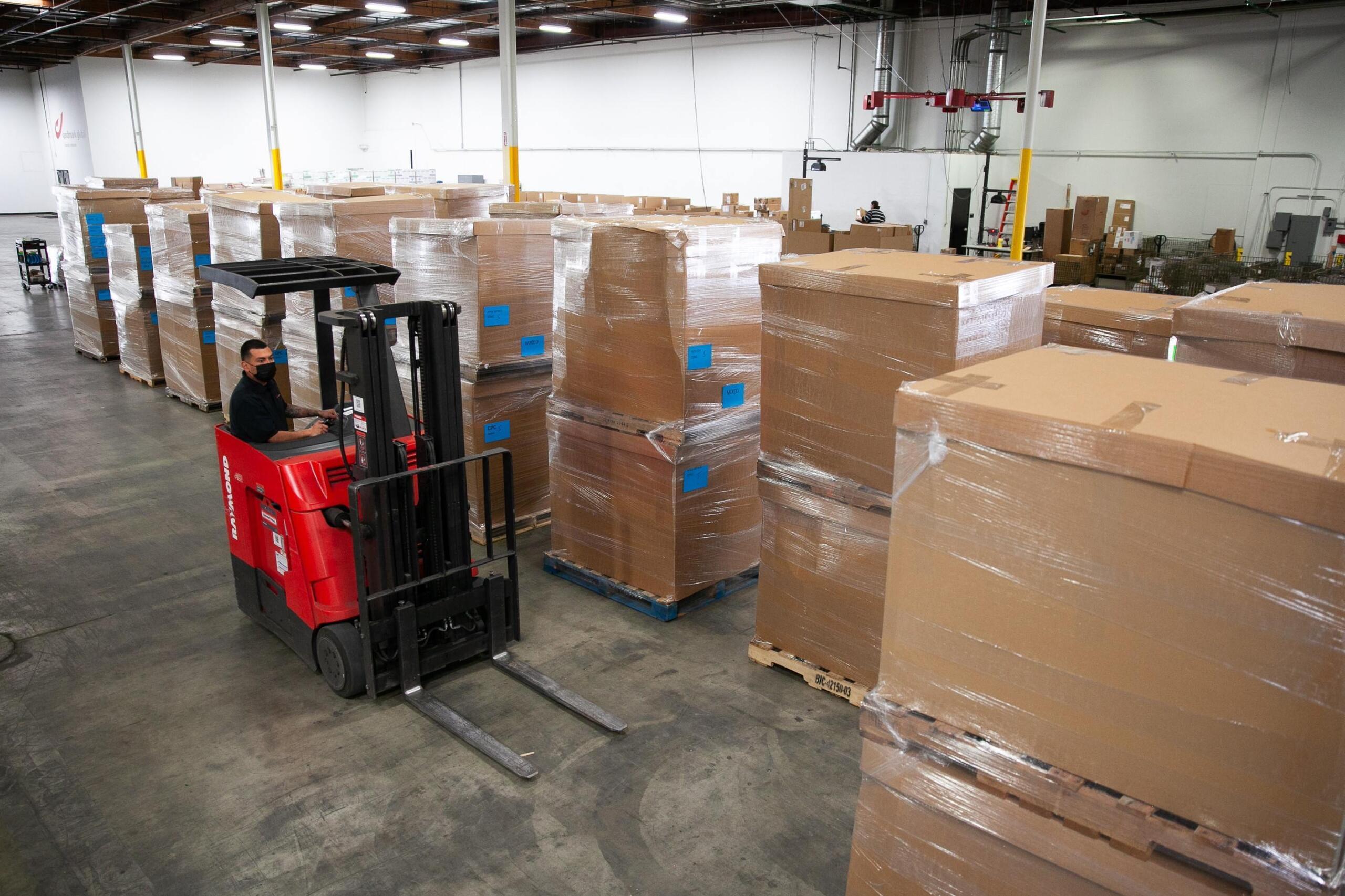
Cross-docking is a method utilised in logistics where the order is fulfilled right after the products arrive at the warehouse. This way, they do not need to be stored in your physical facility.
Cross-docking is faster than any other logistics approach. However, it requires extreme precision and coordination. Every party engaged in the process (you as the seller, your manufacturers or suppliers, your warehouse employees, and your carriers) needs to operate like clockwork. Otherwise, cross-docking simply won’t work.
To achieve such a level of coordination, the warehouse has to be equipped with top-notch technological solutions for warehouse management (e.g., WMS). Attempting to coordinate cross-docking manually will likely fail. As we said, it’s the fastest method, but it’s also one of the most difficult ones.
Cross-Docking vs. Dropshipping
Cross-docking might sometimes be associated with dropshipping, and it isn’t surprising—both methods are similar on multiple levels. Yet, they would not bear different names if they were the same.
The main difference is that cross-docking requires a warehouse. It does not have to be large, since the space won’t be used for storage. On the other hand, in dropshipping, the warehouse is skipped completely in the supply chain. However, according to recent May 2026 market reports by RSM Belgium, skipping this consolidation step will soon be costly. Starting July 2026, non-EU direct-to-consumer dropshipping parcels will face an estimated €3 to €5 increase per package due to new EU flat-rate duties and handling fees. Cross-docking mitigates this massive margin hit by allowing you to import bulk shipments under a single commercial customs clearance.
Secondly, there is the level of collaboration between you and your logistics partner. If you dropship, you have little control over the deliveries, with no tracking portal available. This makes it tricky to solve delivery-related problems. Cross-docking gives you more control, since your shop is the official consignor.
Additionally, with dropshipping, you take on the risk of shipping faulty products—there's no opportunity to inspect them at any stage. With cross-docking, however, there's a brief window of time that allows for quality checks, making it easier to maintain customer satisfaction.
The Advantages and Disadvantages of Cross-Docking
We’ve briefly touched upon some of the benefits (and downsides) of cross-docking, so let’s look into it further. What does it bring to the table?
Cross-Docking: Benefits
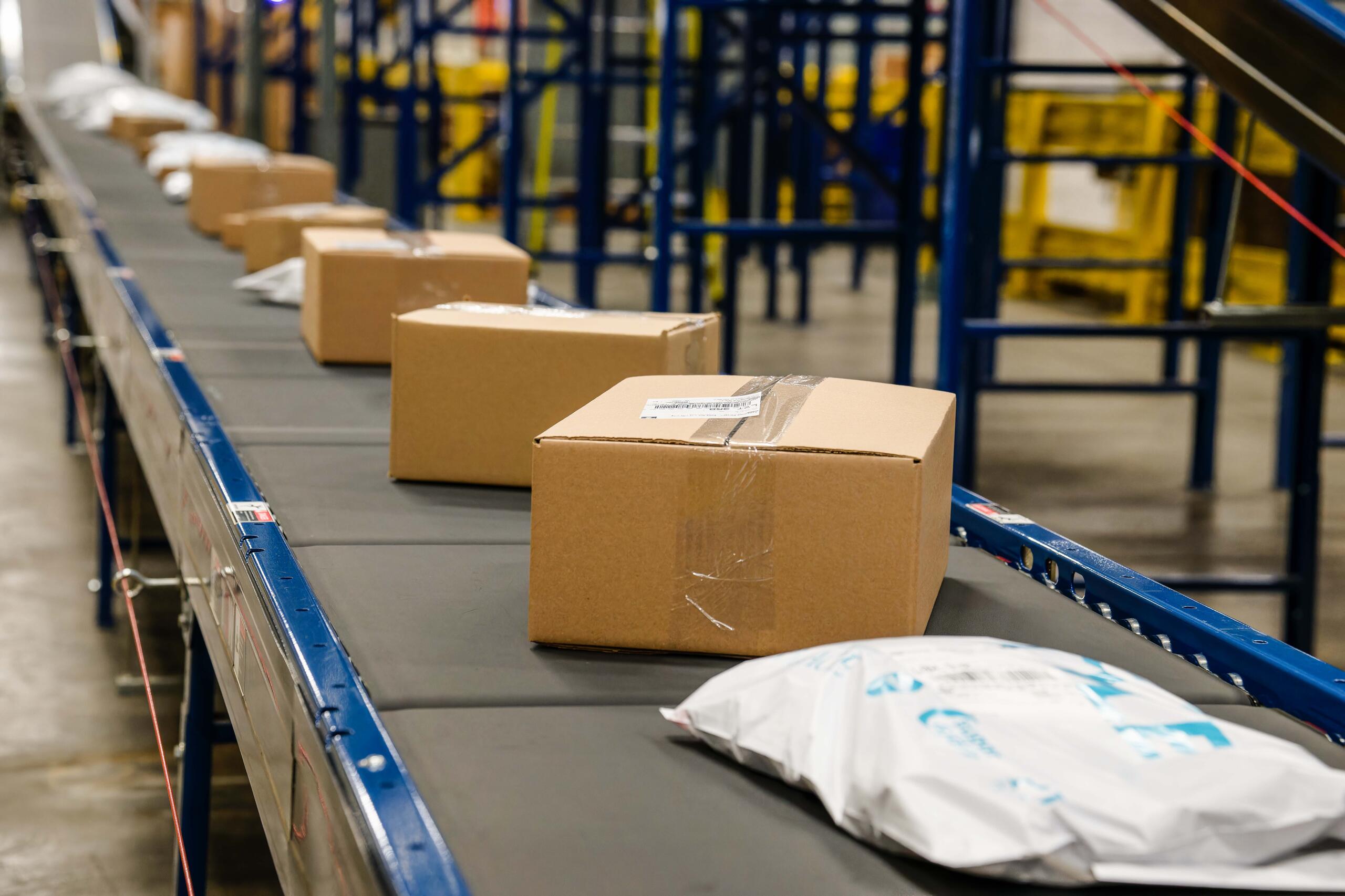
- Space reduction—since you don’t store the product, you can opt for a smaller warehouse. You also don’t have to invest in storage equipment, which significantly impacts both your initial investment when setting up a new facility and your operating costs.
- Product damage minimisation—every step in the supply chain generates a risk of your product being damaged. By cutting out storage, you get one step less. This helps you save on replacing damaged products, as well as maintain customer satisfaction by eliminating product-replacement-related delays.
- Faster deliveries—cross-docking is also faster, which will be especially helpful in those markets where customers prioritise delivery speed over other e-commerce features.
- Sustainability—cross-docking is more sustainable since a smaller facility equals less energy consumption. More importantly for 2026, using an EU-based cross-docking hub gives you direct control over final-mile packaging, ensuring your parcels comply with the strict new EU Packaging and Packaging Waste Regulation (PPWR), such as the mandatory 50% maximum void space limit.
Cross-Docking: Challenges
- Higher initial investment—setting up a cross-docking supply chain may cost more, as it requires efficient technological solutions (e.g., WMS) and getting a warehouse in the first place. However, the traditional advice to start with dropshipping is becoming a high-risk strategy. With the EU set to abolish the €150 duty-free threshold on July 1, 2026, individual shipments from non-EU manufacturers will be hit with new flat-rate duties and handling fees. In this new landscape, cross-docking becomes a vital tool for customs optimization. By consolidating goods for a single bulk customs clearance before distribution, businesses can effectively safeguard their margins against the rising costs of small-parcel imports. For a comprehensive look at these regulatory shifts, read our guide on the Import One-Stop Shop (IOSS).
- Top-notch synchronisation—cross-docking has to be perfectly coordinated to work. Otherwise, it might prove ineffective. Therefore, you need to have the experience and tools to achieve such a level of synchronisation.
- The chain can be disrupted—if your supply chain doesn’t rely entirely on your own resources (which is rarely the case), you don’t have full control over the logistics process. With cross-docking, where everything has to run like clockwork, this becomes especially problematic—a single issue with any party involved, such as a courier company, can throw the whole system off balance.
When to Choose Cross-Docking for Your E-Commerce?
Cross-docking is a good e-commerce solution if chosen according to the right circumstances. What do we mean by “right”? Here are the top 3 situations ideal for cross-docking:
- Consistently high demand—if you can reasonably forecast demand for specific products, especially those ordered in large quantities, cross-docking can be an effective solution. It speeds up delivery while minimising the risk of overstocking or running out of inventory.
- Products requiring fast delivery—items like food, dietary supplements, or other perishable goods need to reach your customers as quickly as possible. In such cases, cross-docking is ideal, as it ensures minimal delivery time.
- Sales peaks—cross-docking also works great when the demand skyrockets, like during the end-of-year sales peak. With a surge in orders, shortening your supply chain and speeding up the delivery process becomes crucial to meet the demand without any delays.
- Transitioning away from direct non-EU dropshipping — if your business currently relies on shipping individual small parcels from outside the EU directly to consumers, cross-docking is your ultimate exit strategy. Consolidating these orders into a central EU hub helps you avoid the devastating per-item customs duties taking effect in July 2026.
Deliver Your Products with Landmark Global
Need help shipping your products all over the world? At Landmark Global, we specialise in international e-commerce logistics. We’ll help you enter new markets and provide your customers with their products quickly and reliably. Get your products delivered on time, every time. Contact us today.
Sources:
- European Comission (2025), https://taxation-customs.ec.europa.eu/news/e-commerce-150-eur-customs-duty-exemption-threshold-be-removed-2026-2025-11-13_en
- RSM Belgium (2026), https://www.rsm.global/belgium/en/insights/eu-introduces-new-charges-low-value-imports
You may also read:
FAQ
-
It works well for perishable goods (food), products with consistently high demand, and during peak sales periods.
-
In cross-docking, the goods pass through your transhipment point (you have control), while in dropshipping, the shipment goes directly from the manufacturer.
-
While it requires a higher initial investment in technology (WMS) and process organisation, it drastically reduces long-term operating costs. Most notably, cross-docking protects your business by helping you avoid the projected €3-5 per-parcel customs and handling fees that will devastate direct dropshipping margins starting July 2026.
-
Because it requires smaller warehouses (less energy consumption) and eliminates unnecessary intra-warehouse operations.