How to Scale Cross-Border Logistics
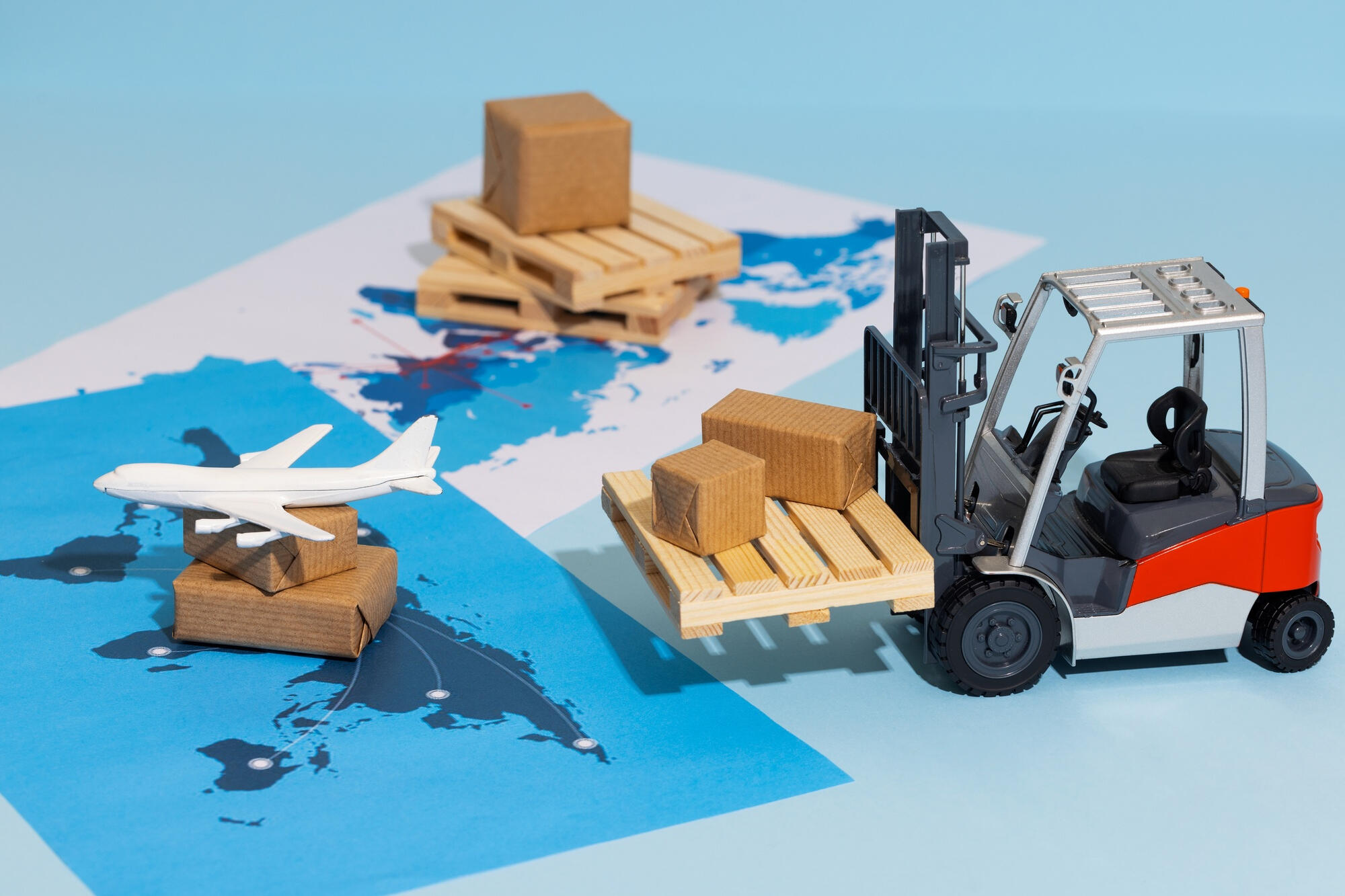
Growth exposes the weak points in any international supply chain. The processes that handle 200 parcels a week rarely survive contact with 2,000, and fixing that under pressure costs far more than planning for it early. Scaling cross-border logistics is less about shipping more of the same and more about rebuilding fulfilment, last-mile delivery, and customs clearance so they hold under load. This playbook covers the operational moves that matter most as your order volume grows.
Key Takeaways
- Scaling cross-border logistics means redesigning your network, carrier mix, and customs process before volume forces the change.
- Distributed fulfilment and downstream carrier access cut last-mile costs as order numbers climb.
- Automated, item-level customs data prevents the clearance delays that multiply with volume.
- Real-time visibility and exception management protect the customer experience at scale.
Build a Fulfilment Network That Grows With Demand
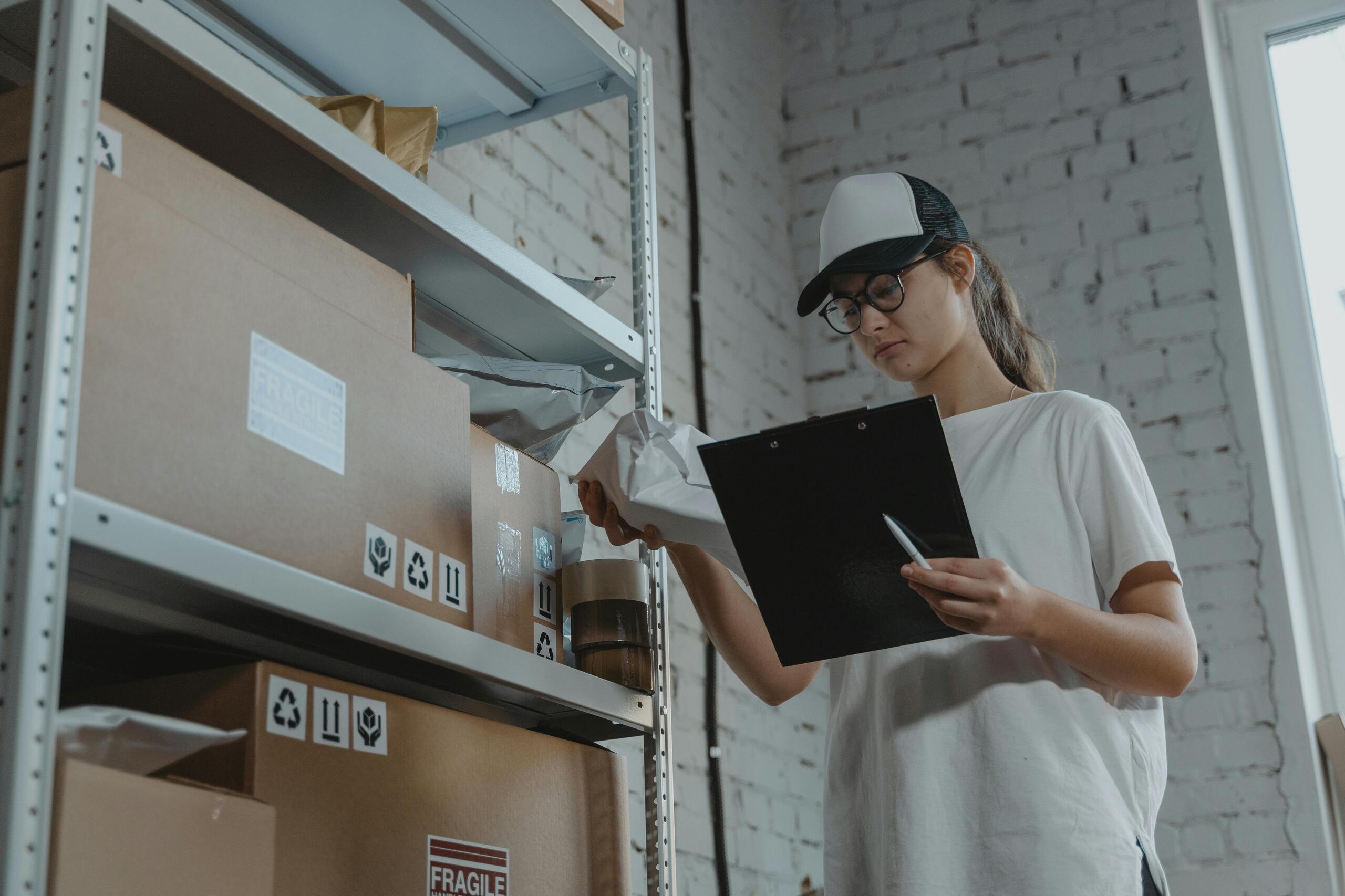
A single warehouse works until your destination mix widens and transit times start to hurt conversion. As you scale, distributing stock across regional hubs closer to your buyers shortens delivery windows and reduces the per-parcel cost of crossing borders. The aim is to position inventory where demand concentrates, not where your business happened to start. Map your order data by destination first, then decide which lanes justify tailored fulfillment solutions, bonded storage, or a third-party site.

Reduce Last-Mile Costs as You Scale International Shipping
Last-mile delivery is where margins quietly erode, and the leverage grows with volume. Consolidating parcels and injecting them deep into a destination market, often called zone skipping, lets you bypass several handling stages and reach local rates that standard international parcel shipping cannot. A provider routing through multiple entry gateways can match the service to weight, dimensions, and postcode rather than applying one blanket rate. Automate Customs Clearance Before It Becomes a Bottleneck
Customs is the part of cross-border logistics that fails loudly and expensively when it is left manual. Capturing accurate data at product setup is far cheaper than fixing it at the border. For every cross-border item, your system should store:
- A clear, specific item description
- Value and currency
- Weight and dimensions
- HS commodity code
- Country of origin
In-house customs brokerage and prepared electronic declarations keep parcels moving when volume spikes, and deciding your duty model early, whether the buyer pays on delivery or you ship Delivered Duty Paid, removes a common source of returns and complaints.
Use Data and Technology to Stay in Control
You cannot scale what you cannot see. A central platform that consolidates tracking, reporting, and customs data gives operations managers the visibility to catch exceptions before customers do. Landmark Global's proprietary platform, Mercury, brings tracking, reporting, and accounting into one view and connects to major e-commerce systems by API or FTP. Build your dashboards around a small set of metrics that show whether scale is working:
| Metric | What it tells you |
| Time to dispatch | How fast orders leave the warehouse |
| Exception rate | Share of parcels hitting holds or failed deliveries |
| Cost per shipment | Whether growth is improving your unit economics |
| On-time delivery | Whether transit promises hold across lanes |
Planning your next phase of international growth? Landmark Global helps brands scale cross-border operations across more than 220 destinations, with in-house customs expertise and a global delivery network.
FAQ
-
It involves redesigning your fulfilment network, carrier mix, and customs process so they handle higher volumes without rising error rates or costs. The aim is to position stock closer to demand, manage last-mile rates actively, and automate clearance. Doing this before volume forces the change is far cheaper than reacting under pressure.
-
Consolidating parcels and using downstream access, sometimes called zone skipping, lets you reach local delivery rates that single-parcel shipping cannot. Matching the service to each parcel's weight, size, and destination postcode through rate shopping also helps.
-
Manual customs processes that work at low volume create delays and rejections once parcel numbers climb, because every error compounds. Capturing item-level data such as descriptions, values, and HS codes at product setup, and using prepared electronic declarations, keeps shipments moving.