Sending Parcels to Belgium: An E-Commerce Guide
Key Points
- Belgian consumers are motivated by fast, reliable delivery and a wide product selection.
- They prefer to pay via debit card and shop in their native languages (French or Dutch).
- Fashion is the most popular product category, followed by home and garden items.
- Sustainable delivery solutions, such as emission-free zones and a dense network of pick-up points, are major advantages.
How do you ship e-commerce parcels to Belgium? First, you need to understand the market: Belgians are enthusiastic cross-border shoppers with specific preferences. For instance, the majority opt for home delivery, prioritise sustainability, and rank delivery speed and reliability as their top two motivating factors. Secondly, you need to develop a strategy and set up the right framework for both logistics and customer service. Want to know more? Read on!
Shipping Parcels to Belgium: Market Trends
Before we explain how to start shipping your e-commerce parcels to Belgium, let's take a quick look at the local market. These statistics will help you better understand your target audience and explain why we recommend specific solutions later in this article.
Purchasing Factors
What drives Belgian consumers to choose a particular online retailer or product? Specifically:
- A wide range of products and brands.
- Fast delivery.
- Easy product discovery.
- Low prices.
- Trust in the retailer.
Most Popular Segments
What are the most frequently shipped product categories to Belgium? The top five are:
- Fashion.
- Home and garden products.
- Sports and leisure goods.
- Consumer electronics and accessories.
- Health and beauty care.
Delivery
As a logistics company, we naturally need to discuss delivery trends. What do Belgians expect in this regard?
- Transparent delivery pricing.
- Free delivery over a certain spend threshold.
- A reliable carrier.
- Hassle-free returns management.
- The flexibility to choose their final delivery location.
- Parcel tracking.
E-Commerce Platforms
Why mention e-commerce platform trends? Because understanding them is essential—they dictate how you should design your store for this market. What should you focus on?
- 57% of online purchases are made on desktop or laptop computers.
- Belgians prefer to shop in their native languages (French or Dutch).
- Belgian online shoppers prefer debit card payments, though credit cards and platforms like PayPal are also popular.
Sending E-Commerce Parcels to Belgium
Now that you know the basics of the Belgian e-commerce market, let's move on to our recommendations for shipping parcels there. Where should you begin?
First, you must design your store not just in English, but also in Dutch (and French, if you don't already have a French version). Failing to do so risks deterring many potential customers from browsing your site, making this an absolute necessity. Furthermore, you should invest in Dutch-language customer support—you might consider outsourcing this.
Once this is sorted, you need to think about logistics. This encompasses your entire infrastructure, including last-mile carriers. If you have a warehouse near the Belgian border, you could consider fulfilling orders directly from there. If not, you will need to set up a facility within the country. Alternatively, you can partner with a logistics provider offering dependable cross-border parcel shipping who will handle this for you.
What about last-mile delivery? Here, you need to partner with carriers that are both sustainable and operate a dense network. This allows you to meet two key expectations of Belgian consumers: eco-friendly delivery and the flexibility to choose their pick-up point.
At Landmark Global, we can help you tackle both challenges. As an experienced logistics company, we possess the necessary infrastructure to operate effectively in Belgium. Moreover, we work alongside our sister company, Bpost—one of Belgium's leading last-mile operators, renowned for its dense delivery network and innovative, eco-friendly solutions:
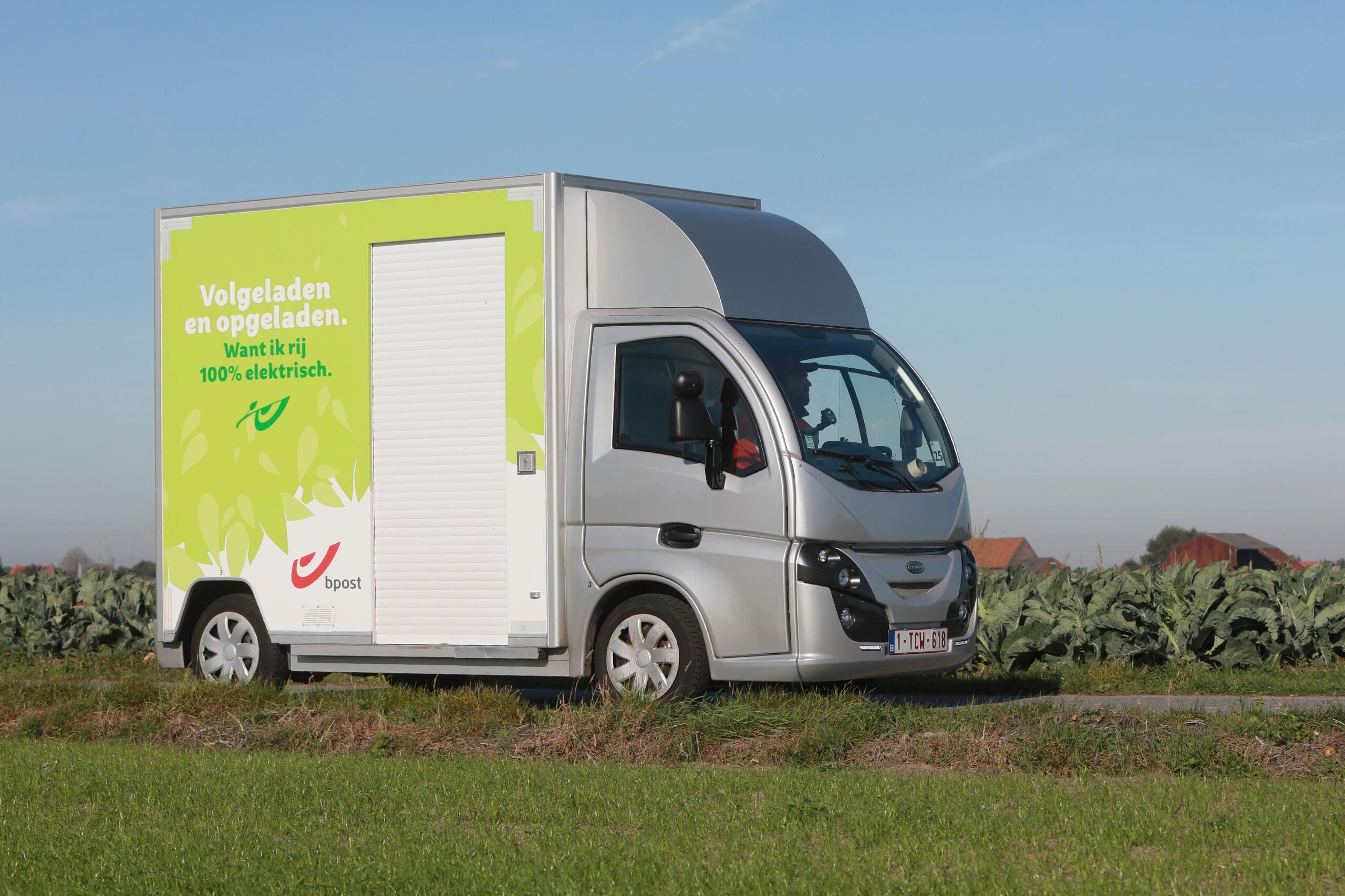
- A largely green fleet: 40% of their vehicles are already sustainable, and this figure is growing, with the aim of reaching 100% by 2030.
- Emission-free zones: Bpost has introduced emission-free delivery zones in 15 Belgian cities, ensuring all deliveries in these areas produce zero carbon dioxide emissions.
- A wide range of pick-up points: Bpost allows customers to collect their parcels not only at home, from neighbours, or in a safe place, but also from over 2,900 pick-up points and parcel lockers.
- An exchange system: To reduce emissions and returns costs, Bpost offers an exchange system allowing customers to return a parcel and collect a replacement simultaneously.
Interested? Contact us today to discover how we can help you optimize your cross-border shipping to Belgium.
Key Takeaways
Armed with this knowledge on sending e-commerce parcels from France to Belgium, you are ready to launch your website and enter the market. Given that Belgians are highly inclined to make cross-border purchases, this represents an excellent opportunity for your business. Don't hesitate to seize this opportunity and grow your e-commerce store!
Sending E-Commerce Parcels to Belgium: Key Facts
- Belgian consumers prioritise home delivery, speed, reliability, and the environmental impact of deliveries, whilst also valuing price transparency and the flexibility to choose their delivery location.
- Belgians prefer to shop online in their native languages (French or Dutch) and primarily use debit cards. E-commerce platforms must be tailored to these preferences.
- To ship efficiently to Belgium, having a local warehouse or collaborating with a well-connected logistics partner is crucial. Carriers should be sustainable, offering options like emission-free zones and an extensive network of pick-up points.
- Partnering with operators like Bpost, who provide eco-friendly solutions and a streamlined returns exchange system, is a major asset in meeting Belgian consumers' expectations.
Did you find this article useful? You might also like to consult our other guides, such as:
FAQ
-
Above all, Belgian consumers expect fast and reliable delivery. They also want transparent pricing, the option of free delivery over a certain spend threshold, a trusted carrier, straightforward returns management, parcel tracking, and the flexibility to choose their final delivery location.
-
It is essential to offer the site in the customers' native languages: Dutch and French. It is also crucial to accept debit card payments, which are the preferred method, although credit cards and PayPal remain popular. Finally, bear in mind that 57% of purchases are made on a desktop or laptop computer, so desktop optimisation is key.
-
Fashion is the most popular product category. The other four leading segments are home and garden products, sports and leisure goods, consumer electronics and accessories, and health and beauty care.